 Canada
 United States
Aeration
How Pond Aeration Works: A Guide for US Ponds
How bottom-up pond aeration works, from compressor to diffuser, plus US tips on seasons, sizing in acres and feet, and the best time to run an aerator.
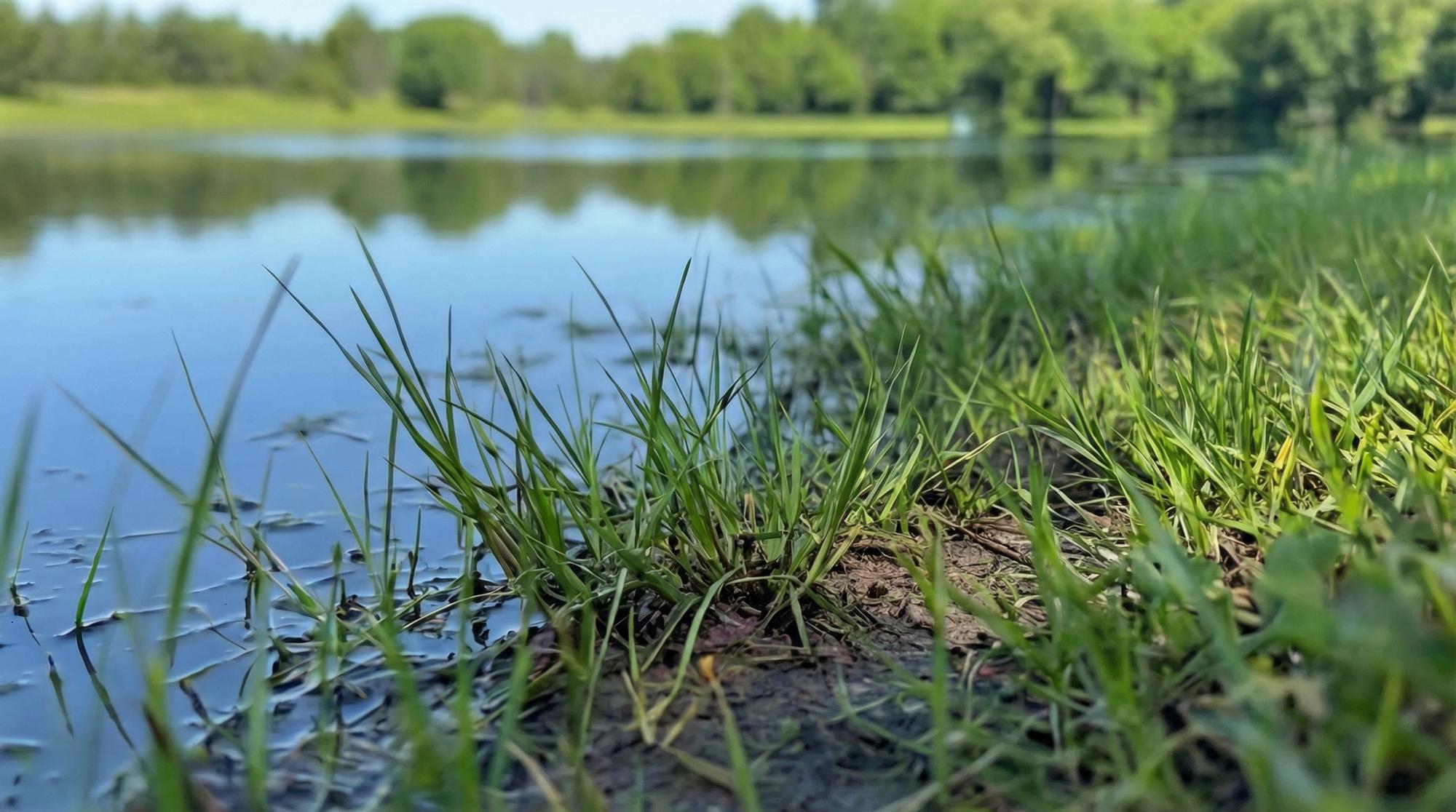
Aeration is the single most effective thing you can do for a pond. By adding oxygen from the bottom up, it powers the natural biology that keeps water clear and protects fish through the extremes of summer and winter.
Bottom-up aeration, explained
A compressor pushes air through tubing to a diffuser on the pond floor. The rising column of fine bubbles circulates the entire water column and transfers oxygen as it goes, far more effectively than surface aeration, which only touches the top layer.
Why oxygen matters
- It powers the beneficial bacteria that break down muck and excess nutrients.
- It prevents the low-oxygen conditions that cause summer and winter fish kill.
- It keeps the pond mixed, so temperature and oxygen don’t stratify into dead layers.
Planning aeration through the US seasons
In northern states such as Minnesota, Wisconsin, Michigan and New York, pond owners plan aeration around ice-over and the spring thaw. Farther south, the hottest weeks of summer matter most, because warm water holds less oxygen than cool water: a pond at 85°F holds noticeably less than one at 50°F. Our guide to preventing winter fish kill with aeration covers the cold-weather side.
Sizing and ordering in the US
Most US ponds are measured in surface acres, with depth in feet. Note the acreage, the deepest point and average depth in feet, the pond's shape, and how you use the water. Our pond aerator sizing guide walks through it step by step, or send us your measurements and our team will suggest a setup. Orders on koenderswatersolutions.com are priced in US dollars and ship from our US location in Jasper, Indiana.
Questions US pond owners ask
When is the best time to run a pond aerator?
For most ponds, all the time during the open-water season. Many owners run an electric bottom-diffuser system around the clock, since pond oxygen tends to be lowest overnight, in the early morning and during hot, calm spells. Windmill and solar systems run whenever the wind blows or the sun shines. If your pond is stagnant or layered, start a new system with short run times and increase them gradually. For winter, the right schedule depends on your climate and setup, so check with us before freeze-up.
Do I need power at the pond?
Not always. Windmill and solar aerators need no power line at the pond. An electric aerator needs a power source nearby. Many off-grid sites pair a windmill with a solar or electric backup for calm spells.
Is a fountain the same as bottom-up aeration?
No. A fountain mostly moves the surface layer. A bottom-up system releases air at the pond floor, so the whole water column circulates. Our article on bottom-up vs surface aeration explains the difference.
Pair aeration with a natural conditioner and the two reinforce each other. Browse aeration systems or talk to our team.
Written by
Koenders Water Solutions Team
Aeration specialists
Aeration and water-quality know-how from the team that has been building pond aeration since 1988.
Keep reading
Related articles
Aeration
Windmill vs Electric Aeration: Which Is Right for You?
Both keep your pond oxygenated. The right choice comes down to power, pond size and how consistent you need it to be.
Koenders Water Solutions Team7 min read
Aeration
Sizing an Aeration System for Your Pond
Too little aeration under-performs; too much wastes money. Here’s what determines the right system for your water.
Koenders Water Solutions Team7 min read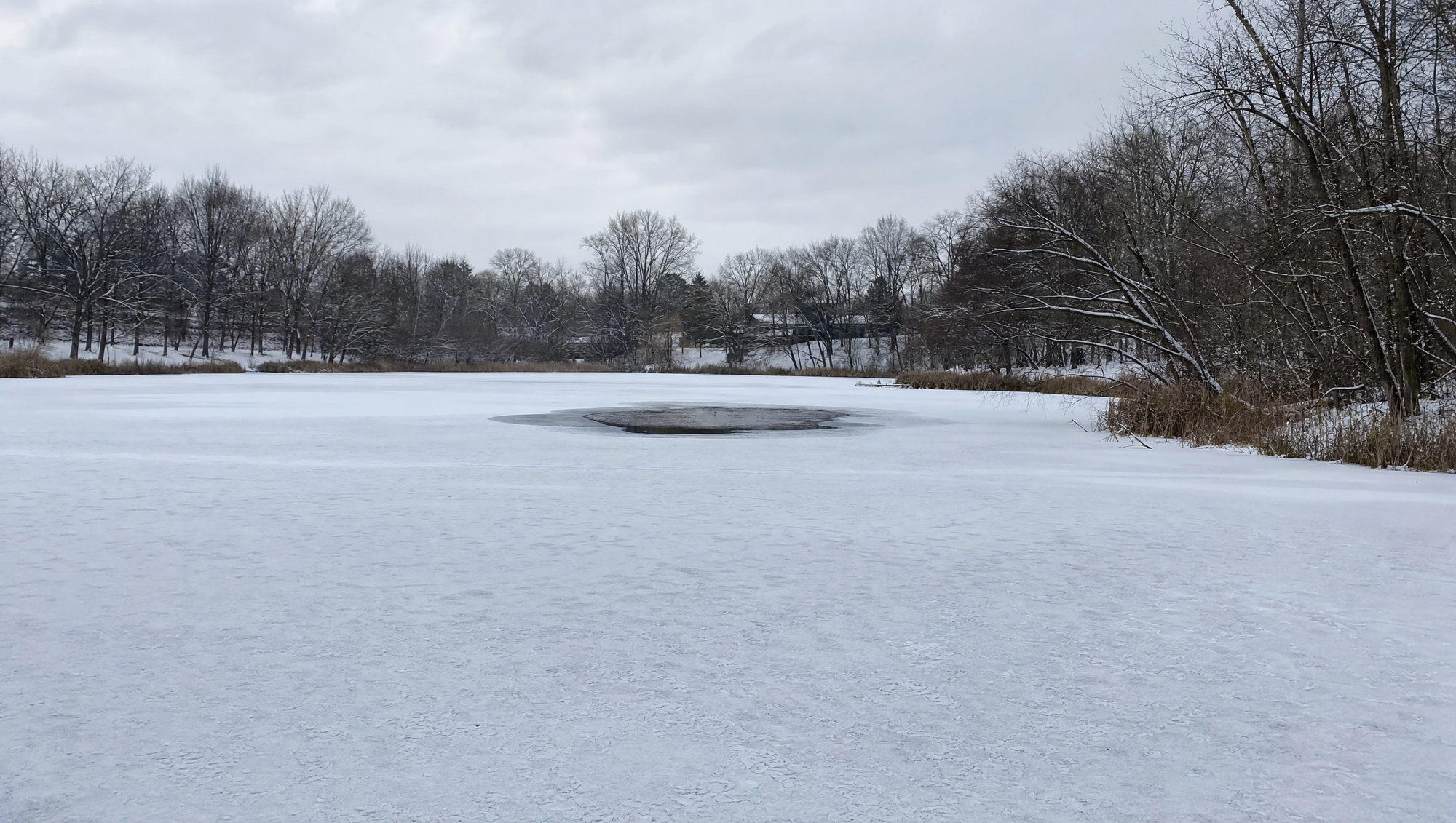
Aeration
Preventing Winter Fish Kill with Aeration
Most winter fish loss is an oxygen problem, not a cold problem. Here’s how aeration keeps your fish alive under the ice.
Koenders Water Solutions Team6 min read
Get started
Ready to aerate your water?
Find the right system for your pond, dugout or lake, or ask our team.