 Canada
 United States
For aquaculture & fish farms
Dissolved-oxygen management for aquaculture and fish farms.
In aquaculture, dissolved oxygen is the parameter that decides whether your stock thrives or crashes. Dense stocking, feed load and warm water drive oxygen demand well above a typical pond. Koenders aeration circulates and oxygenates rearing water so stock stays healthy, powered or off-grid.
- 1988Building aeration since
- 24/7Oxygen demand never stops
- Off-gridWindmill & solar options
Recommended
Aeration matched to your stocking and site
Products are drawn from our electric aeration range and sized to your water volume, stocking density and available power. See the range, then request a quote so we can match a system and any backup to your operation.


The challenge
What puts stock at risk
High stocking density and warm, still water push oxygen demand up, so circulation, dissolved oxygen and reliability are the difference between a healthy crop and a loss.
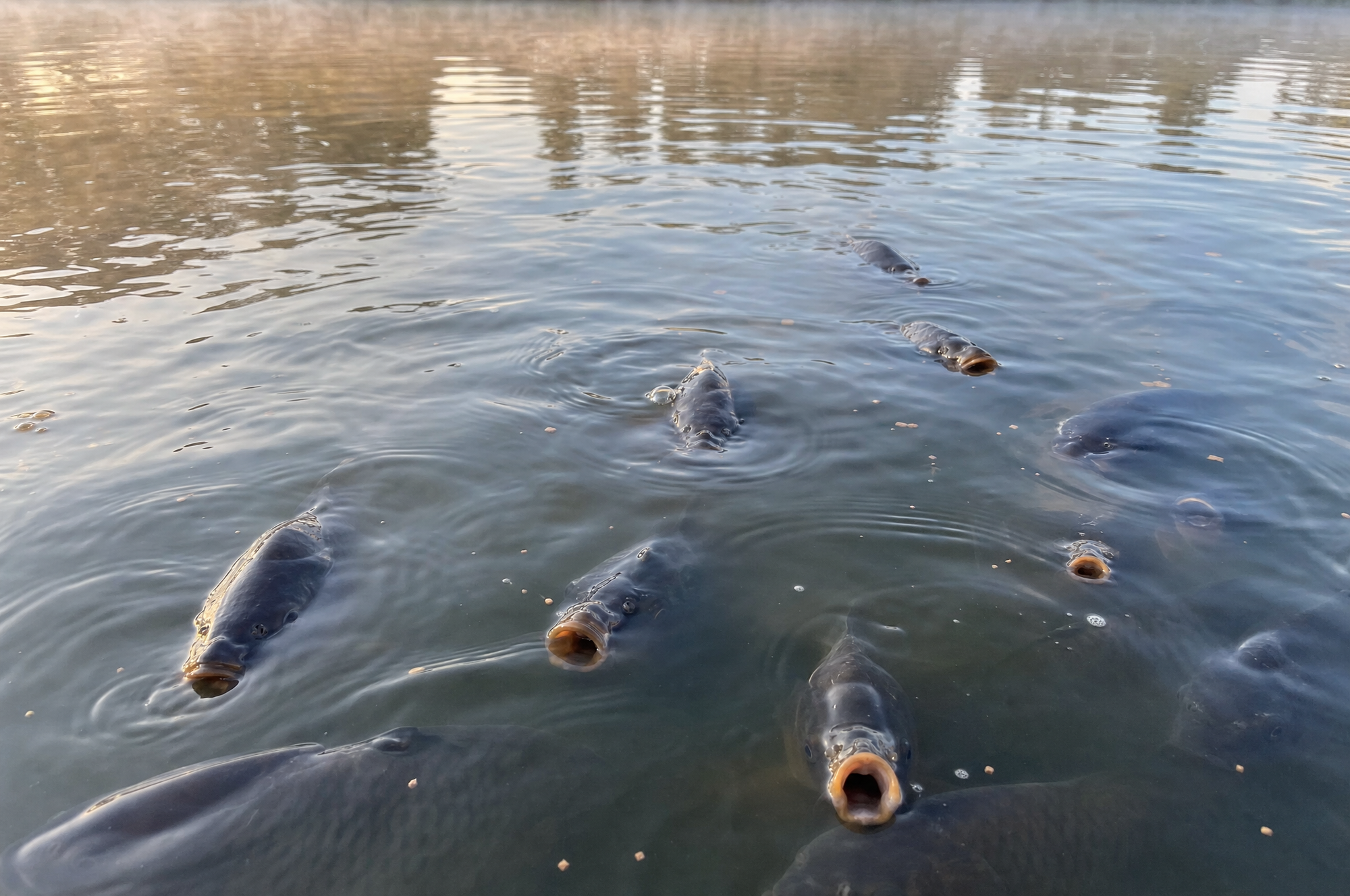
Dawn dissolved-oxygen crashes
Respiration overnight pulls oxygen down, so the lowest reading of the day comes just before sunrise, when stress and loss risk peak.
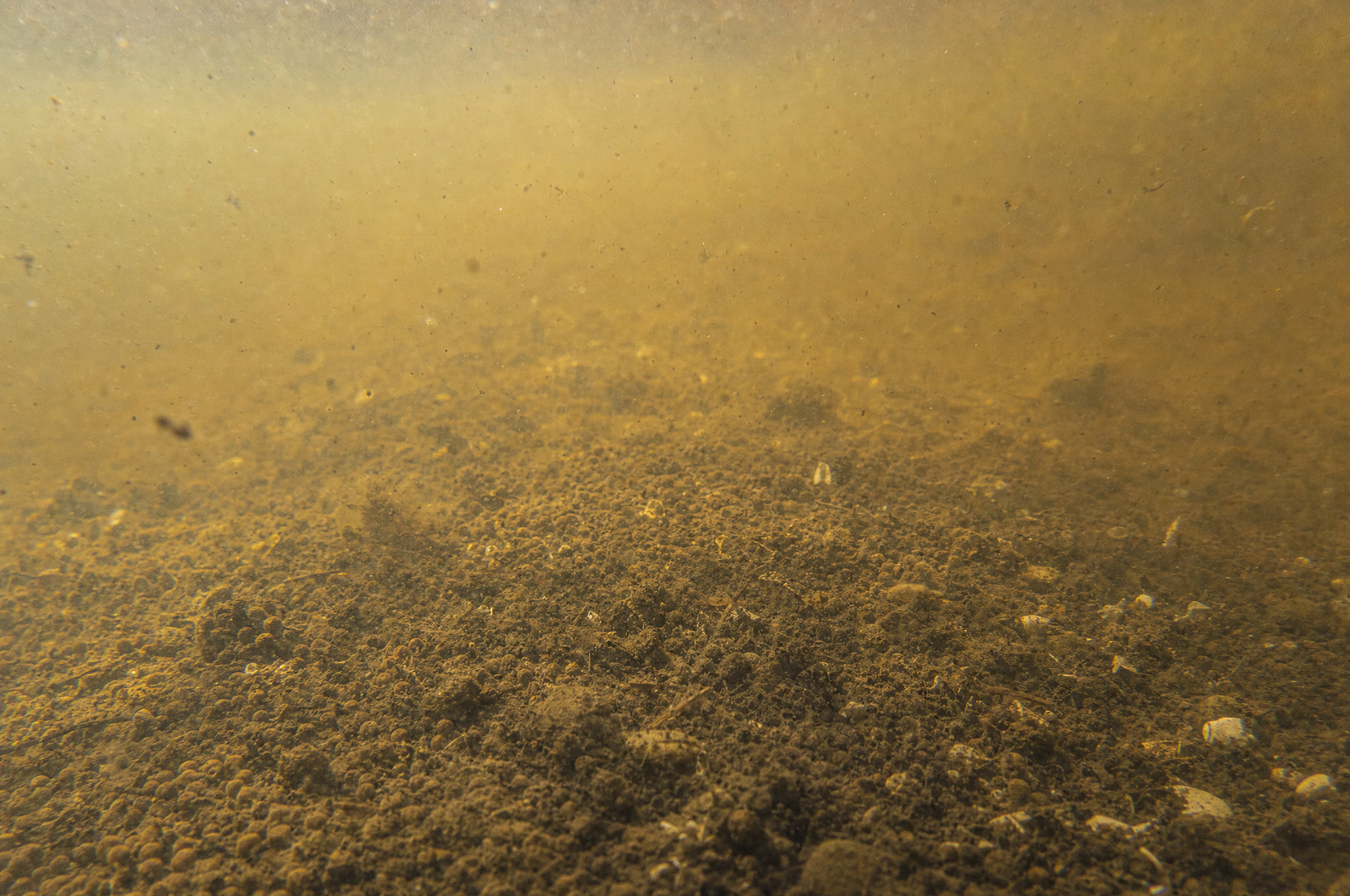
Feed & waste load
Feed, waste and dead algae build organic load on the bottom that consumes oxygen and fouls the water your stock lives in.
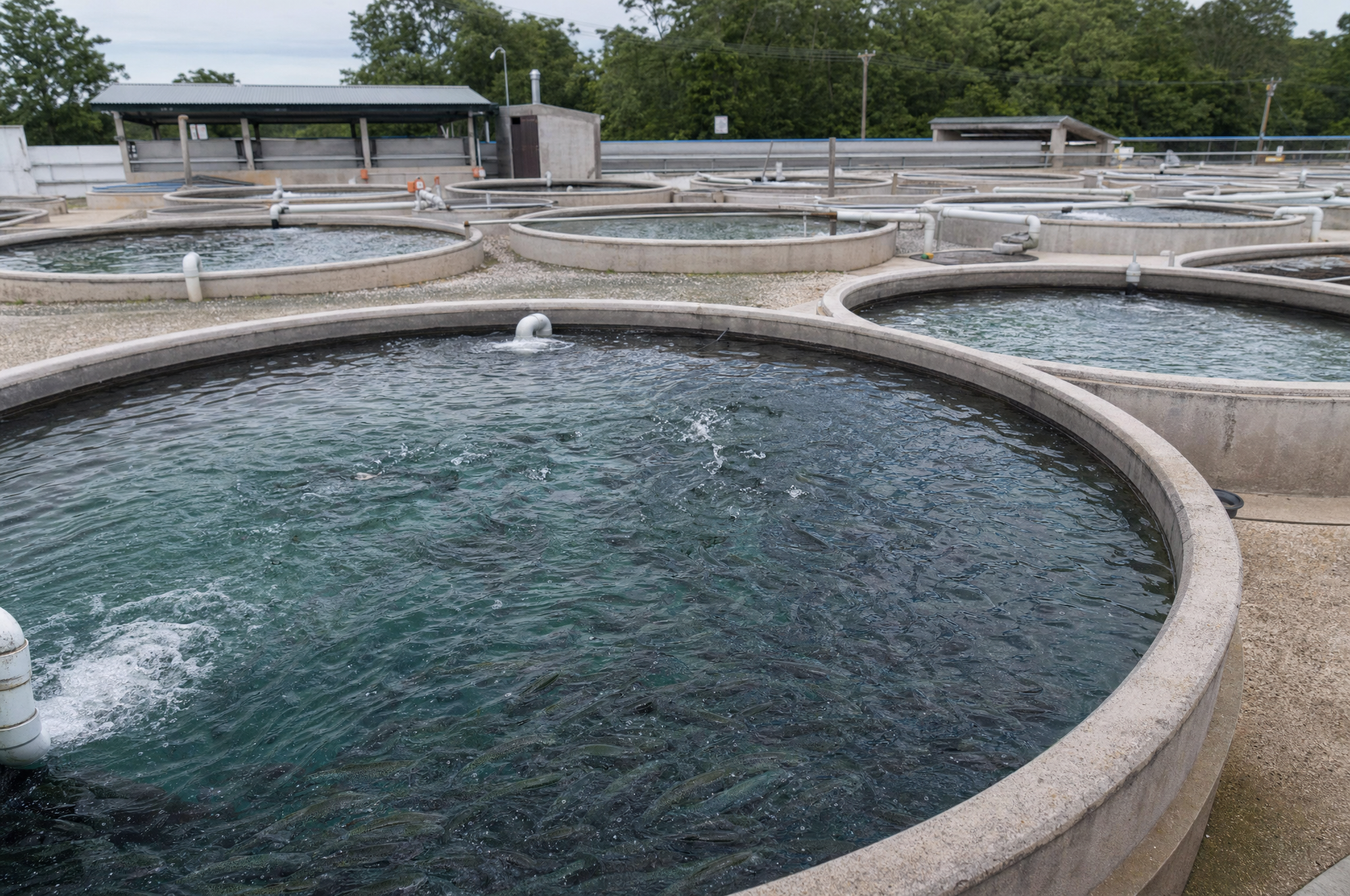
Stratification
Without circulation the water column layers, the bottom goes oxygen-poor, and a turnover event can dump that dead water through the whole pond.
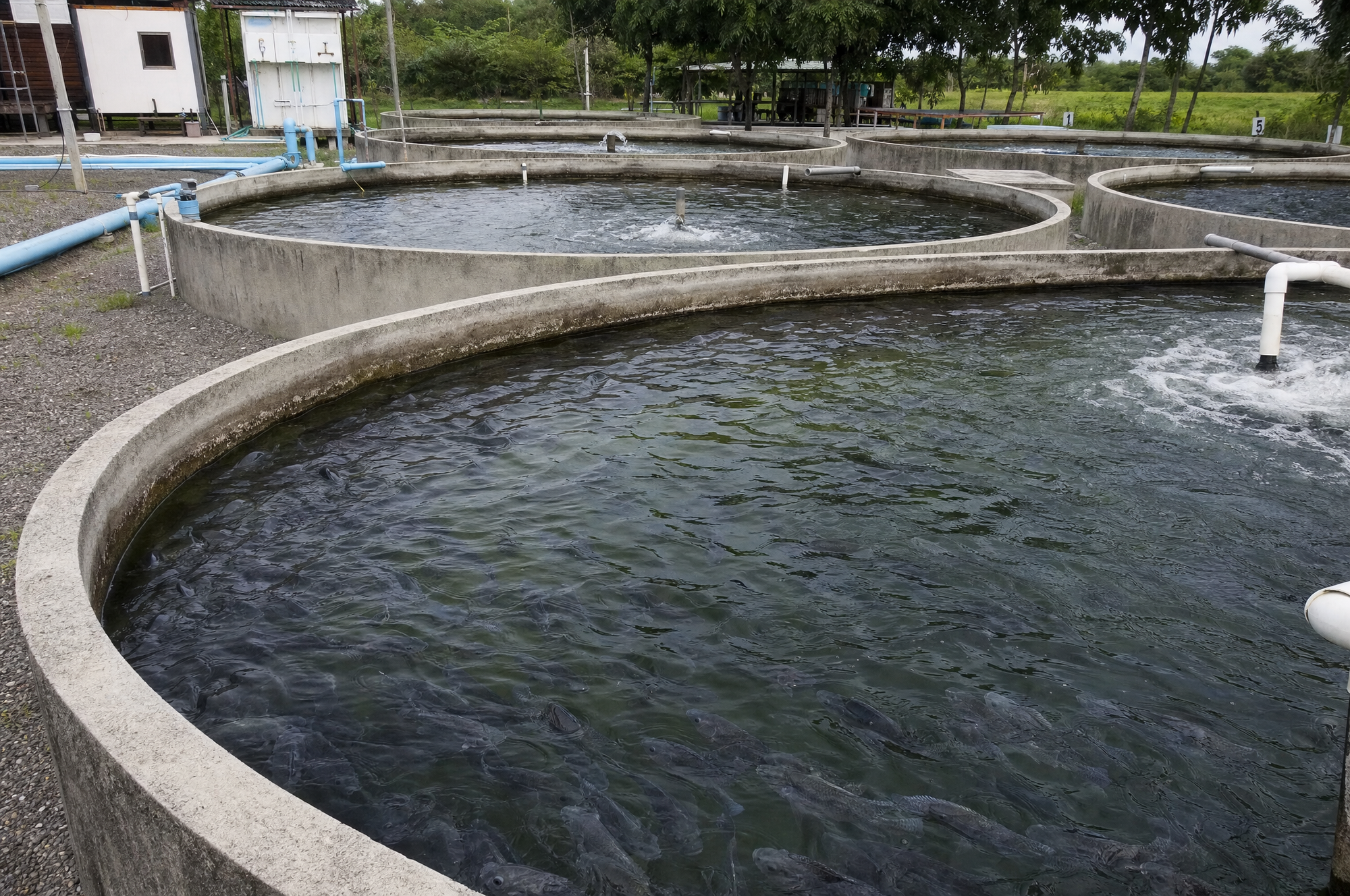
Reliability & redundancy
When oxygen is the single most critical parameter, a stalled unit at 4 a.m. is a real risk, so dependable output and a backup plan matter.
The approach
Reliable oxygenation, any site
Bottom-up aeration addresses the root need, dissolved oxygen and mixing, without adding chemicals to the water your stock lives in.
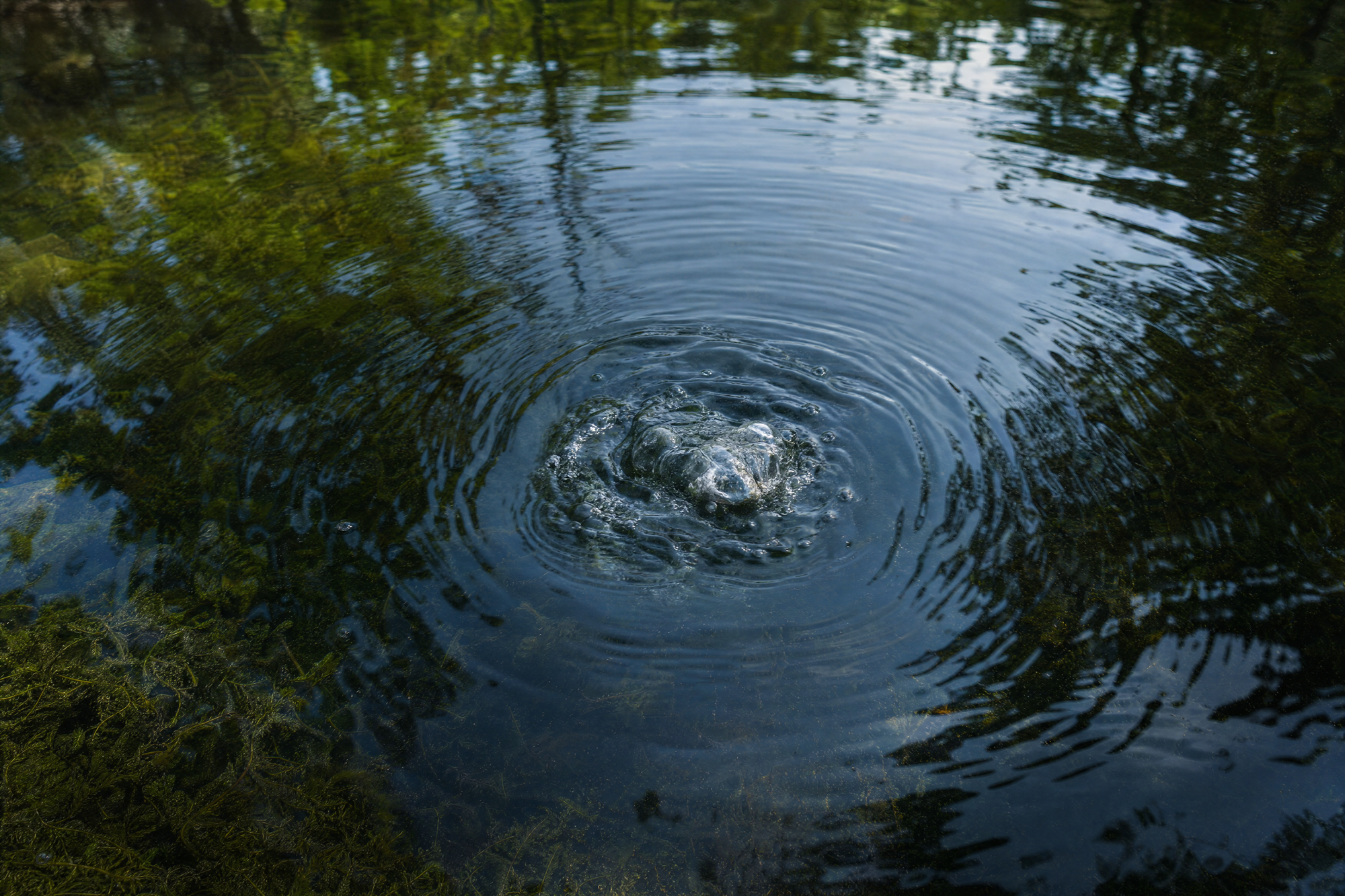
Circulate the whole column
Bottom-up diffused aeration mixes and oxygenates top to bottom, so oxygen is carried through the pond rather than a thin surface layer.
Break the dawn low
Continuous circulation and oxygen transfer flatten the overnight sag, so stock is not pushed to the edge before sunrise.

Powered or off-grid
High-flow electric where power is available; windmill or solar where it is not, so remote rearing sites are not left without options.
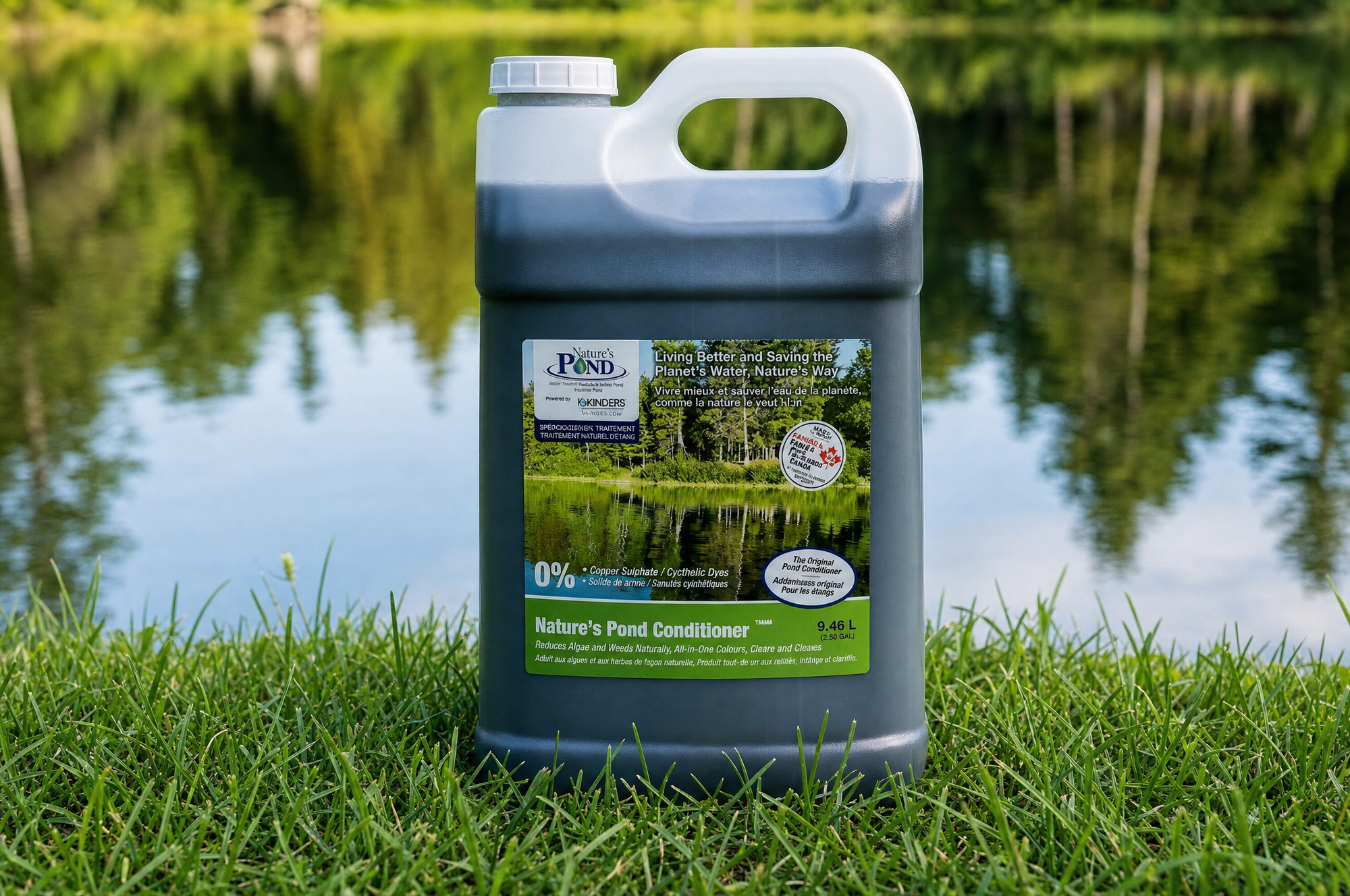
Chemical-free
Support stock health with circulation and oxygen instead of chemical treatments, and reduce the organic load that fuels oxygen demand.
Windmill, solar and electric aeration
Oxygen for every pond, on or off the grid
Koenders got its start in 1988 building wind-powered aeration for farm dugouts. Today that same rugged, low-operating-cost engineering carries across our full lineup of windmill, solar and electric systems, each matched to your pond size and power source, so water stays healthy on farms, acreages and remote sites across the continent.
From operators
Trusted on farms, courses and municipal water
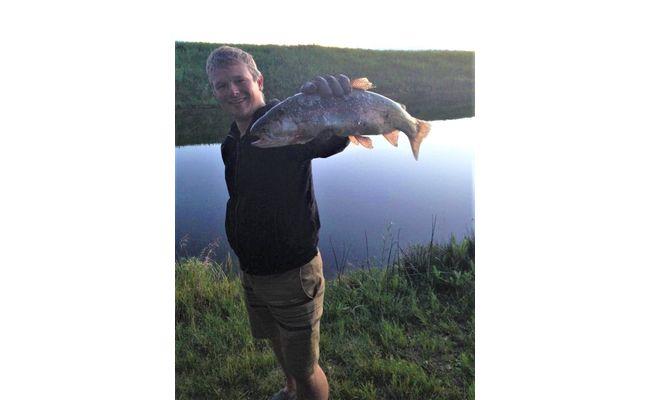
“Our Koenders windmill has aerated this pond for over 20 years. Even after a long, cold winter there was no fish kill, and we still catch beautiful trout.”
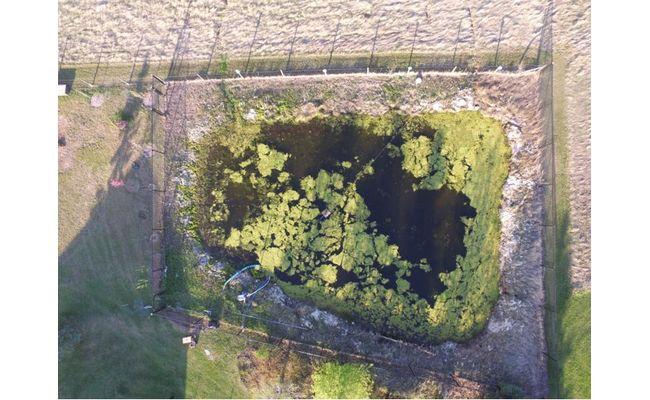
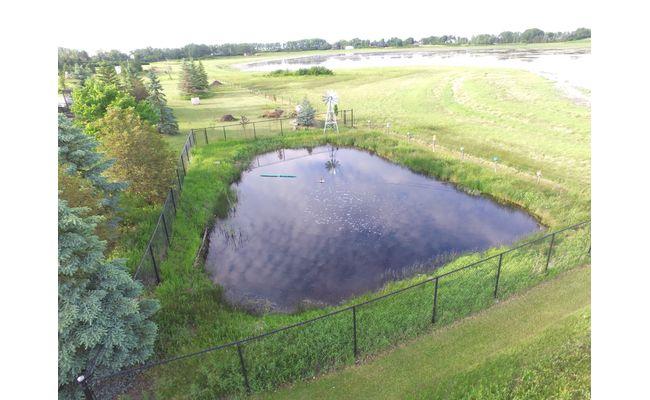
“The before and after says it all — clear water on a 10-acre irrigation pond from a Koenders windmill and Nature's Pond Conditioner.”

“We've run a Koenders windmill for 10+ years. Our pond looked so good we held a wedding right next to it.”
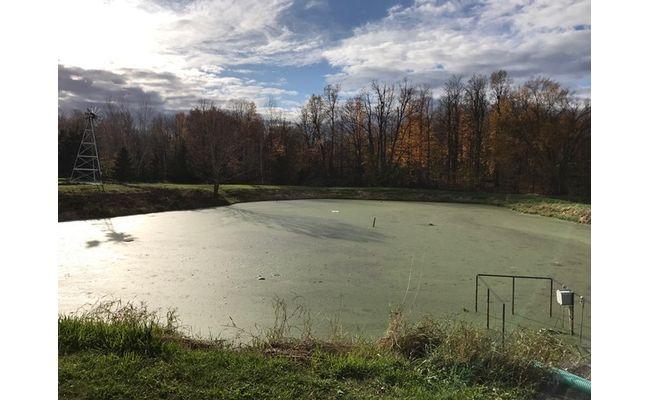
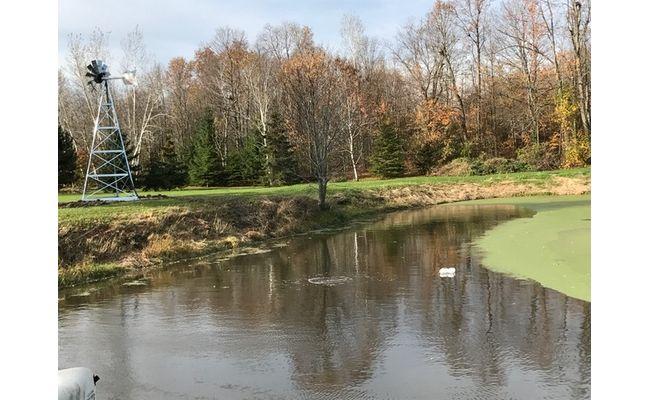
“We saw a drastic difference in 7 weeks. The picture says it all — couldn’t be happier.”

“Nature's Pond Conditioner and our Koenders windmill are a great combination — clean, clear water and healthy, large rainbow trout.”
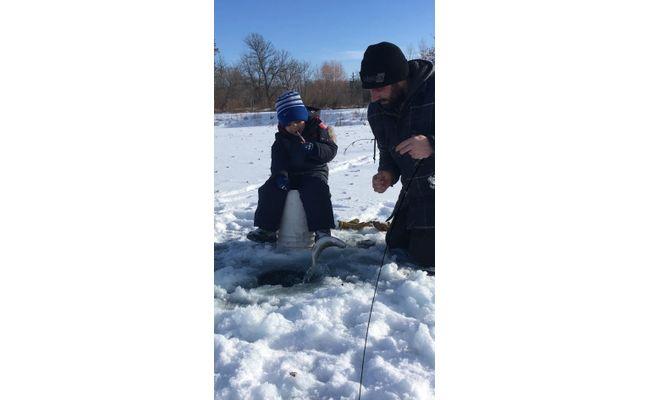
“Thanks to Koenders aeration and Nature's Pond Conditioner, we're able to enjoy ice fishing again this winter.”
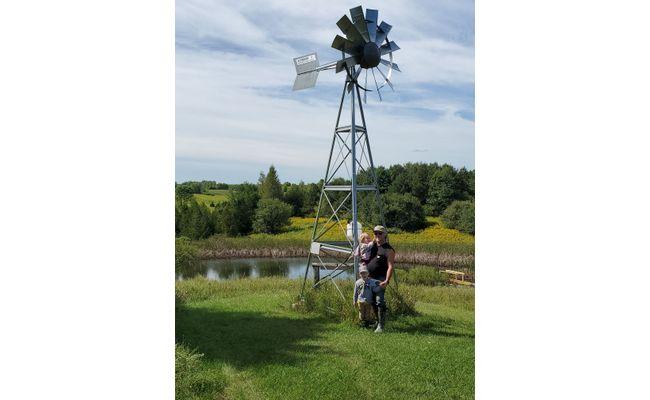
“Great quality. My best friend and I put this windmill up in our retirement — no problems with parts, and it keeps the muck and algae down.”
Shop the range
Ready to get your water moving?
Aeration systems, fountains and accessories: everything to keep your water healthy and moving through the season.


Sizing and backup, worked through with you
Because oxygen demand scales with stocking, feed and temperature, we size to your operation rather than a generic acreage rule, and talk through redundancy so a single failure does not put a crop at risk.
- Aeration sized to water volume, stocking density and temperature, not a one-size rule
- Electric, windmill and solar options so on-grid and remote sites are both covered
- Redundancy discussed up front, including a backup path for the critical overnight hours
- Chemical-free approach that targets dissolved oxygen and circulation at the root
FAQ
Common questions
How much aeration does an aquaculture pond need per stocking density?
How do I prevent dawn dissolved-oxygen crashes?
Do I need emergency or backup aeration?
How does aeration help prevent winter kill in aquaculture ponds?
Windmill, solar or electric aeration for a fish farm?
Is aeration better than chemicals for stock water?
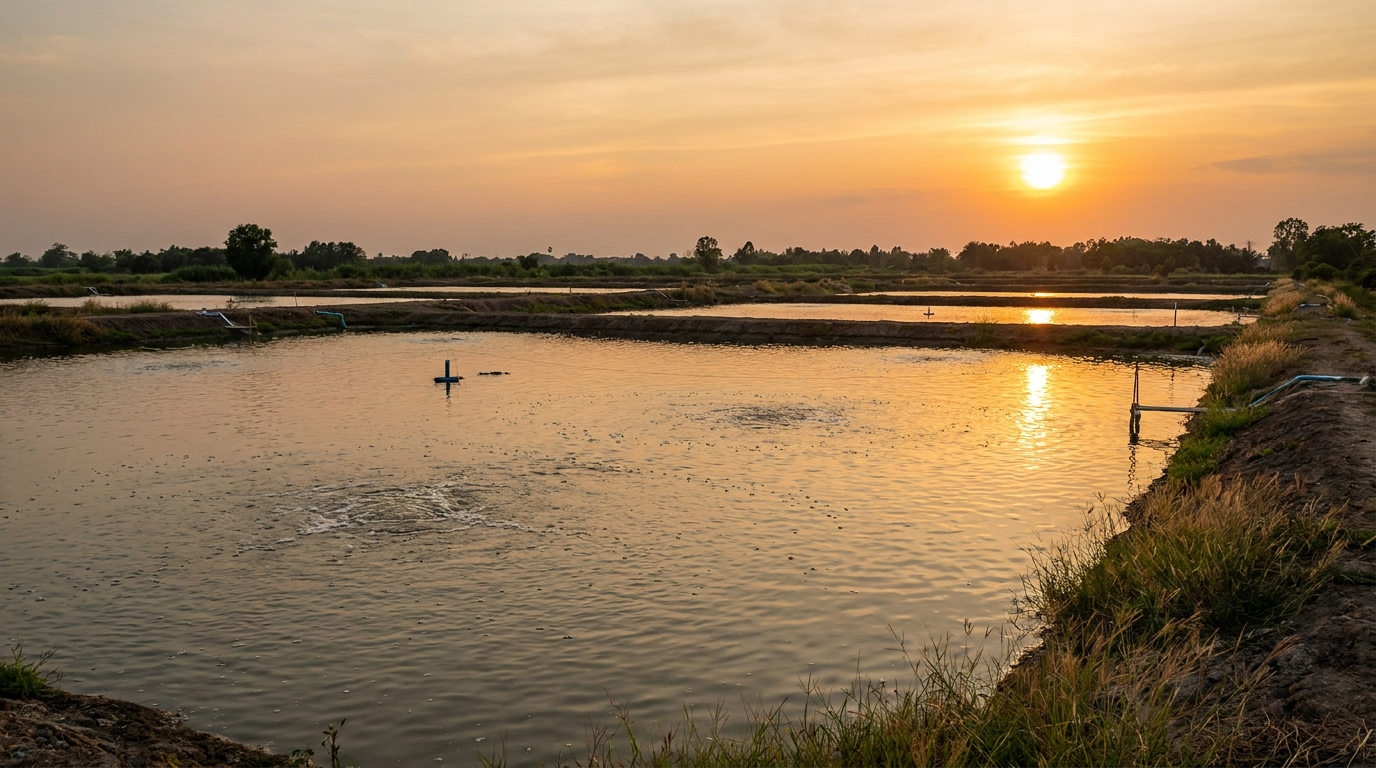
Protect your stock with dependable oxygen
Tell us about your operation and we will size aeration, and any backup, to your water volume and stocking. Managing a natural pond or ornamental stock rather than a fish farm? See Nature’s Pond Care for natural, fish-first pond care.